
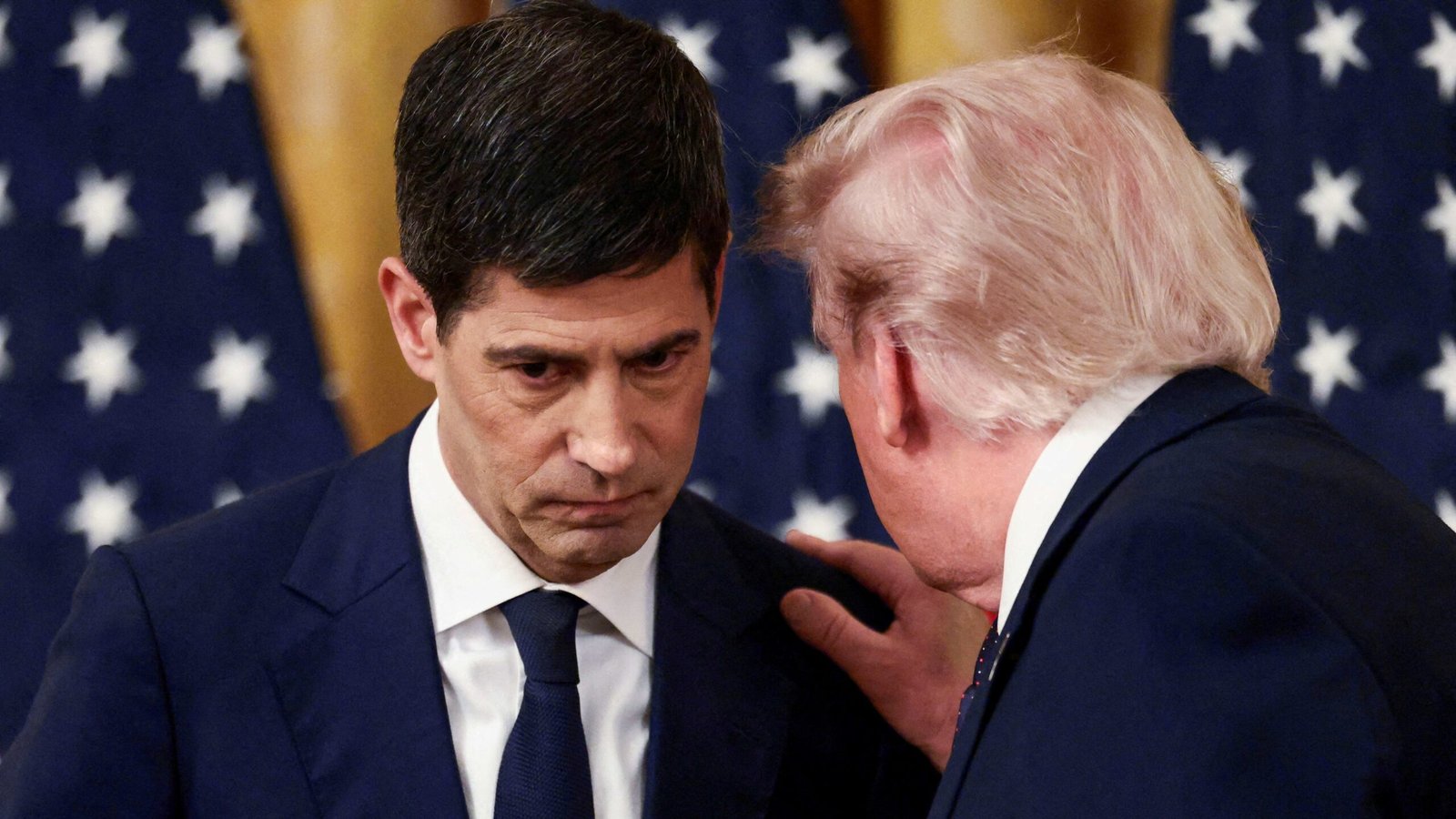
Kevin Warsh, the current chair of the US Federal Reserve, has been vocal about his opposition to the concept of ‘forward guidance’. He argues that providing explicit forecasts limits the central bank’s flexibility, as once these forecasts are made public, they tend to be adhered to for longer than necessary. Additionally, Warsh believes that by not offering hints or previews of upcoming decisions, the Fed can benefit from the market’s own assessment of the economy, rather than solely relying on its own guidance.
Forward guidance, a form of communication by central banks regarding potential future interest rate changes, plays a crucial role in shaping expectations and influencing long-term borrowing costs. Ben Bernanke once famously stated that monetary policy is mostly about communication rather than action. The strength of forward guidance can vary, from indicating the expected future policy trajectory to making explicit commitments tied to specific economic conditions.
Warsh’s decision to move away from forward guidance has sparked debates about its effectiveness. While he believes that this approach allows markets to react to economic data independently, some experts argue that investors primarily focus on predicting the Fed’s actions rather than analyzing economic indicators in isolation. Dario Perkins of TS Lombard highlights that market expectations are largely based on the central bank’s reaction function, making it challenging to completely disregard Fed guidance.
Neil Shearing of Capital Economics points out that economic releases only matter to traders because they influence the Fed’s future decisions on interest rates. Market participants are more concerned about how the central bank will adjust short-term rates based on incoming data. Therefore, the idea that markets can operate without considering the Fed’s role may be oversimplified.
The initial results of Warsh’s new approach have been mixed. The recent Fed meeting triggered an unexpected market reaction, with investors scaling back expectations for immediate rate hikes while selling off longer-dated Treasury securities. This divergence in the yield curve movement indicates growing apprehension about inflation risks and the Fed’s ability to address them effectively over the long term.
In conclusion, Warsh’s unconventional strategy of moving away from traditional forward guidance has raised questions about its impact on market dynamics and the Fed’s ability to manage inflation expectations. While the intention may be to promote market independence and responsiveness to economic data, the recent market reactions suggest that the Fed’s influence remains significant in shaping investor behavior.